
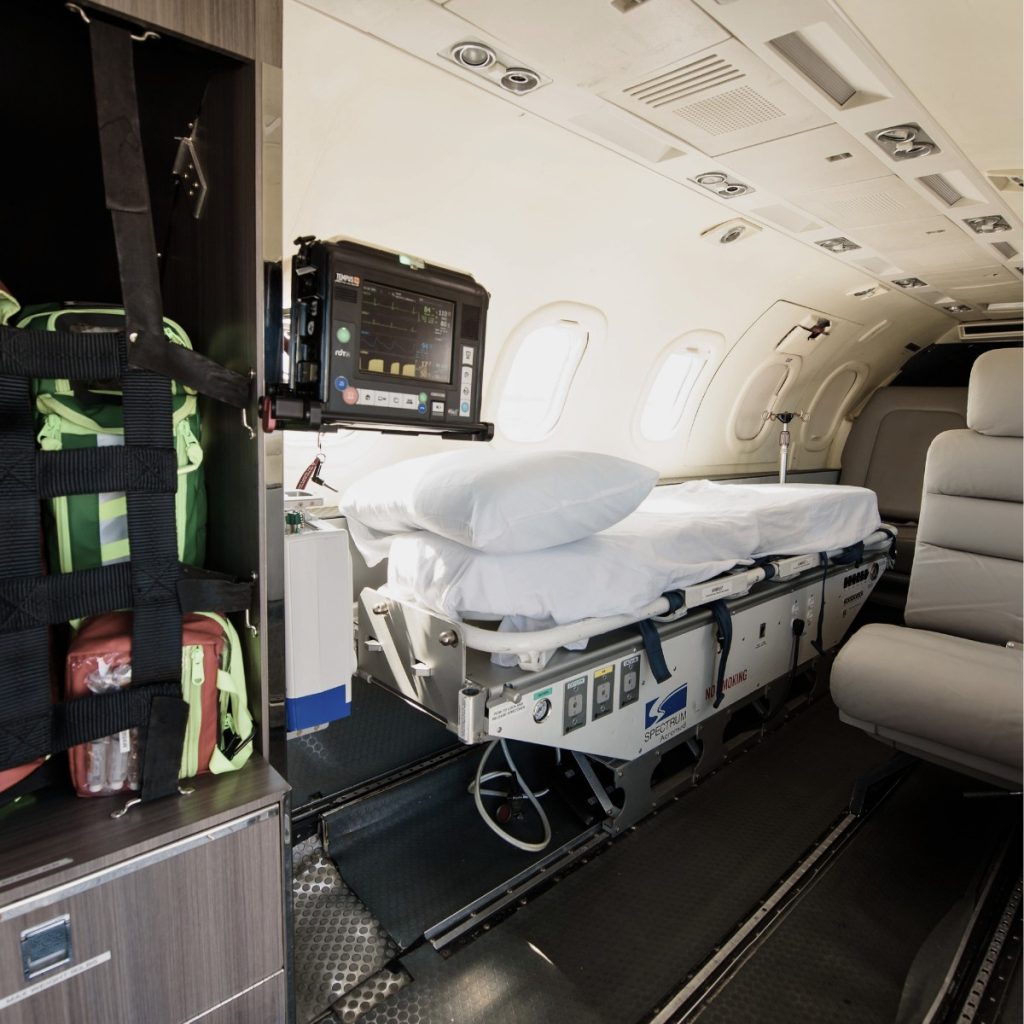
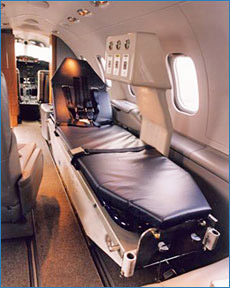
All Aircraft Are Equipped With An FAA Approved Stretcher
A safe and smooth medical flight begins with the foundation of patient transport. Every aircraft in the Air Ambulance Worldwide fleet is outfitted with a specially designed, FAA-approved medical stretcher.
Why is this important? Standard commercial or private aircraft seats are not designed for patients with critical injuries or severe illnesses. Our FAA-approved stretchers are rigorously crash-tested and engineered to absorb turbulence. They allow our medical flight crew to position the patient perfectly—whether they need to remain completely flat for spinal precautions or elevated for respiratory comfort—ensuring maximum stability and safety from bed to bed.
Advanced Cardiac Monitor & Defibrillator
Description
A portable, multiparameter monitoring system capable of performing continuous ECGs, tracking blood pressure, oxygen saturation (SpO2), and end-tidal CO2 levels in real-time.
Importance on Flight
Altitude changes can affect cardiovascular function. This device allows our medical team to detect vital sign changes instantly and intervene immediately.
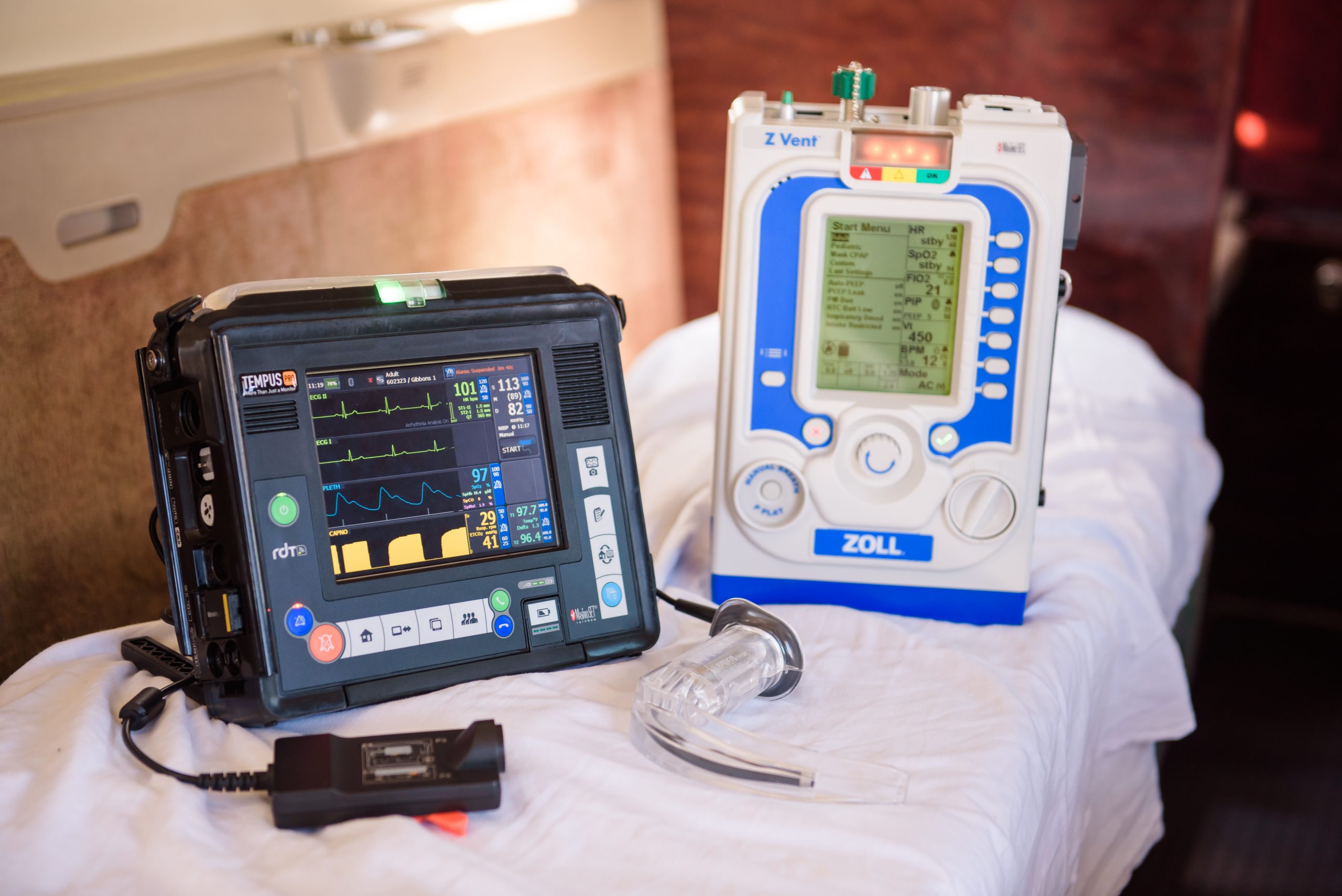
Portable Transport Ventilator
Description
A sophisticated mechanical breathing machine designed for aviation, delivering precise oxygen volumes to intubated or respiratory-compromised patients.
Importance on Flight
Ensures patients with severe trauma or respiratory illnesses receive uninterrupted, hospital-grade breathing support regardless of cabin pressure changes.

IV Infusion Pumps
Description
Aviation-certified intravenous (IV) pumps that deliver fluids, nutrients, and critical medications into a patient’s bloodstream at strictly controlled rates.
Importance on Flight
Gravity-fed IVs fluctuate in moving aircraft. Computerized pumps ensure critical care drugs are administered accurately, safely bypassing turbulence effects.
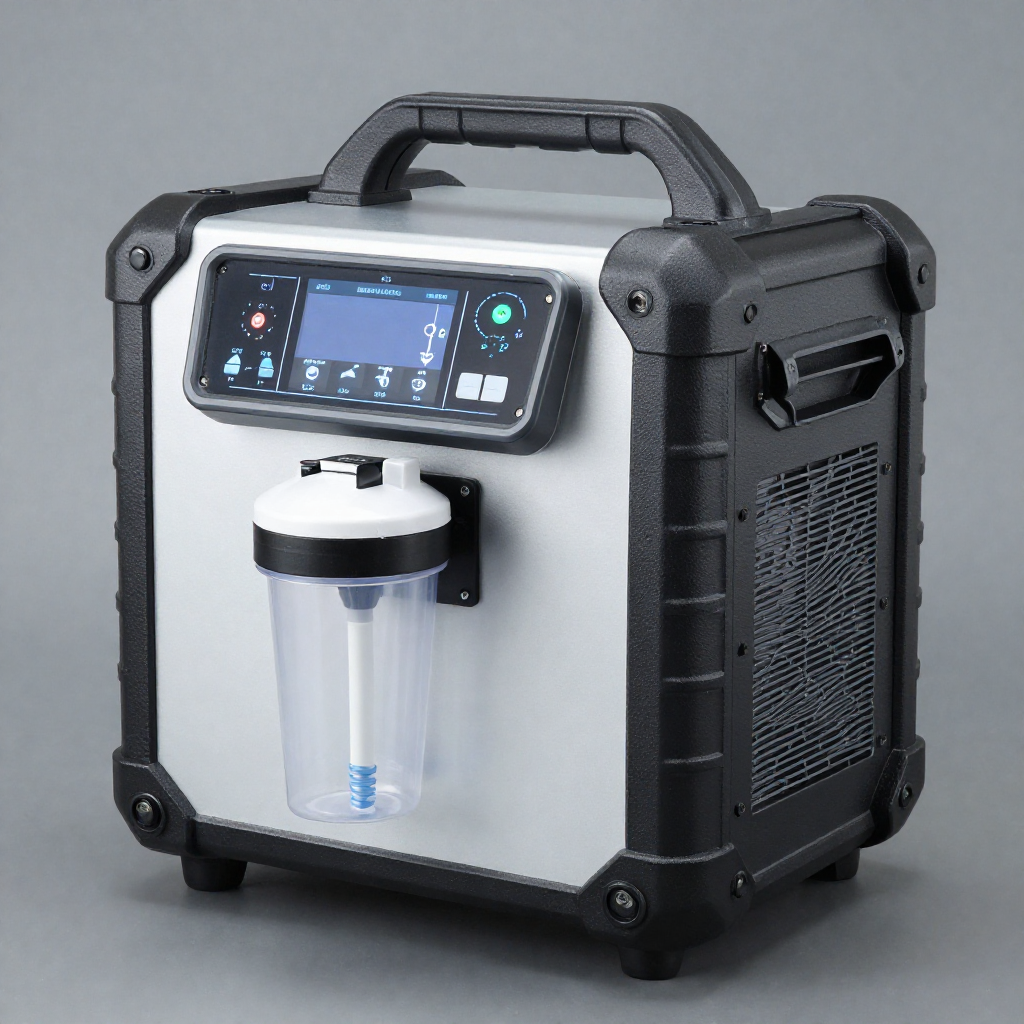
Portable Medical Suction Unit
Description
A high-powered, battery-operated vacuum device used to remove fluids, mucus, or blood from a patient’s airway.
Importance on Flight
Maintaining a clear airway is the first rule of emergency medicine. Vital for preventing choking and aspiration during flight.

Medical Oxygen Systems (Onboard & Portable)
Description
High-capacity onboard oxygen systems paired with FAA-approved Portable Oxygen Concentrators (like the Inogen One) for continuous O2 delivery.
Importance on Flight
Crucial for maintaining safe blood oxygen levels at high altitudes, preventing hypoxia during both the flight and ground transfers.
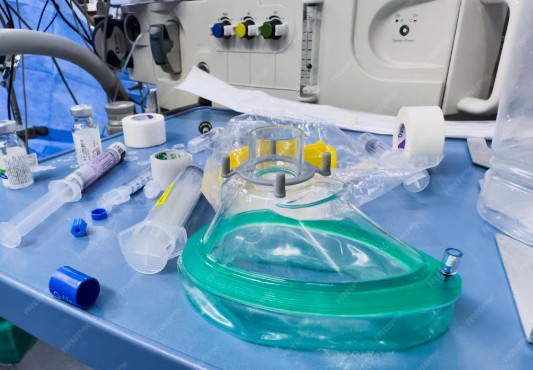
Advanced Airway Management Equipment
Description
Complete intubation kits including video laryngoscopes, endotracheal tubes, supraglottic airways, and bag-valve masks (BVM).
Importance on Flight
Provides our critical care staff with the tools necessary to secure a compromised airway in seconds, ensuring continuous oxygenation in an emergency.
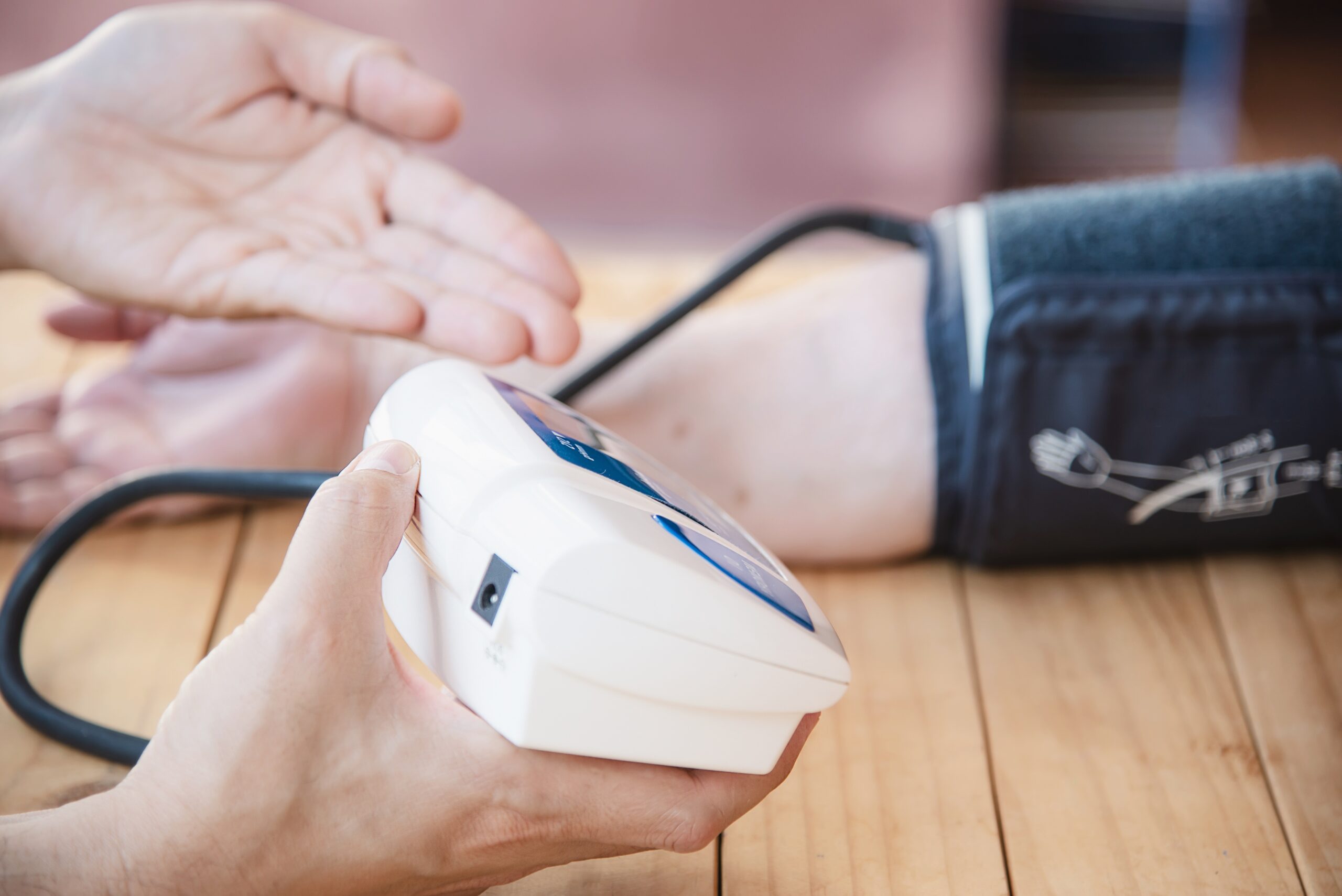
Non-Invasive Blood Pressure (NIBP) Monitors
Description
Automated aviation-grade blood pressure monitoring systems that take accurate readings continuously or at set intervals.
Importance on Flight
Flight stresses can cause rapid blood pressure fluctuations. Constant monitoring allows the medical team to adjust IV medications precisely.
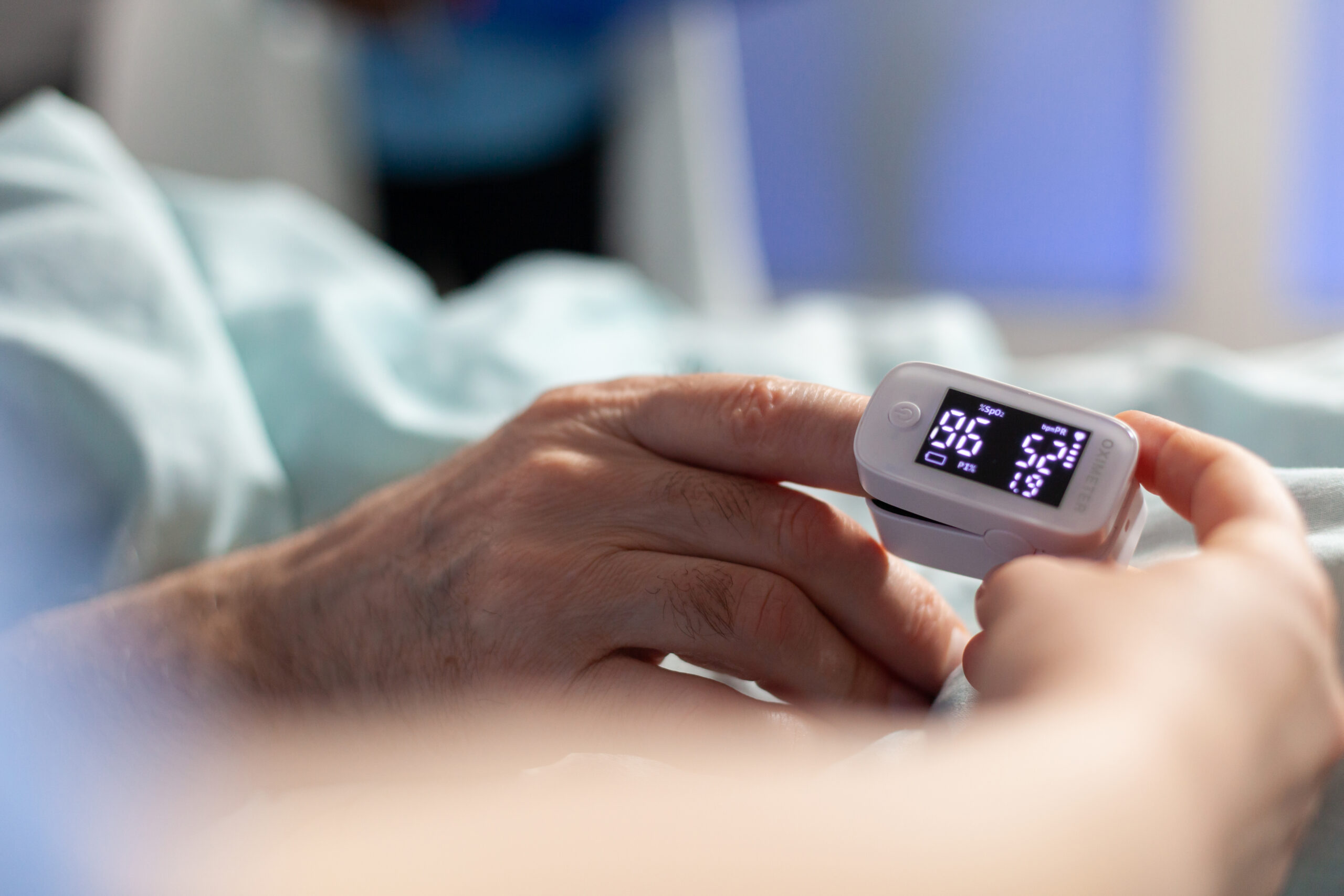
Pulse Oximetry & Capnography
Description
Sensors that measure the oxygen saturation in the blood (SpO2) and the concentration of carbon dioxide in exhaled air (ETCO2).
Importance on Flight
These are the earliest indicators of respiratory distress, allowing our flight nurses to optimize oxygen delivery long before visual symptoms appear.

ACLS Emergency Medications
Description
A fully stocked onboard pharmacy of Advanced Cardiovascular Life Support (ACLS) drugs, including epinephrine, atropine, amiodarone, and potent pain management medications.
Importance on Flight
Transforms the aircraft into a true ICU. Having immediate access to these life-saving medications is absolutely critical for treating cardiac events, arrhythmias, or severe pain mid-flight.
FAQs about Medical Equipments
What medical equipment is on an air ambulance?
An air ambulance functions as a flying intensive care unit (ICU). Standard medical equipment includes an FAA-approved stretcher, continuous cardiac monitors and defibrillators, transport ventilators, IV infusion pumps, portable oxygen concentrators, and emergency resuscitation gear.
Are your air ambulances equipped for pediatric or neonatal patients?
Yes. When transporting infants or children, our aircraft are specially outfitted with pediatric and neonatal medical equipment, including specialized incubators (isolettes), pediatric ventilators, and size-appropriate monitoring equipment, all managed by specialized pediatric flight nurses.
Is the medical equipment on the aircraft safe for flying?
Absolutely. All medical equipment utilized by Air Ambulance Worldwide is strictly tested and approved by the FAA for aviation use. This ensures that our monitors, ventilators, and pumps operate flawlessly regardless of altitude changes, cabin pressure, or turbulence.